Screen Printing vs. Hot Stamping on Perfume Bottles
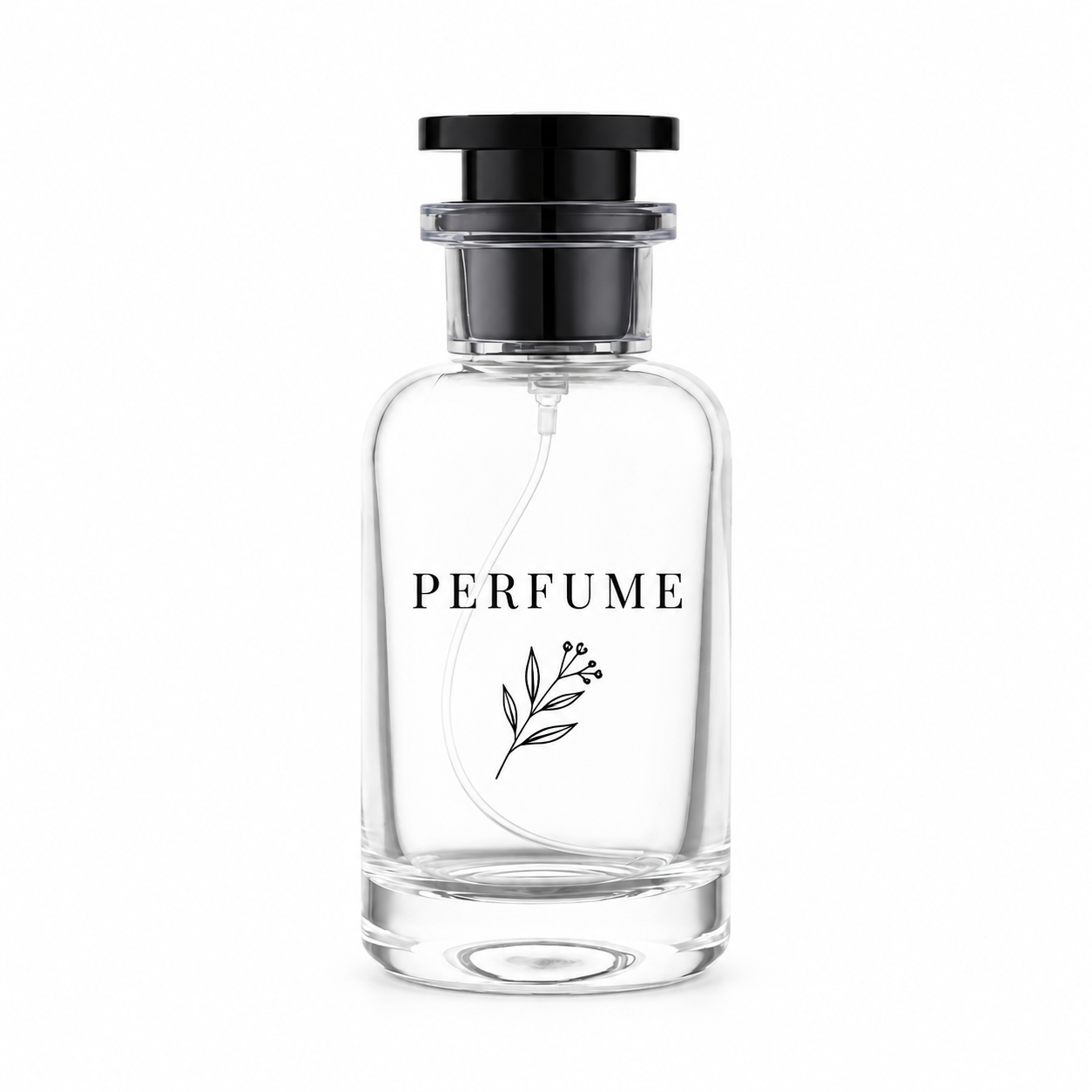
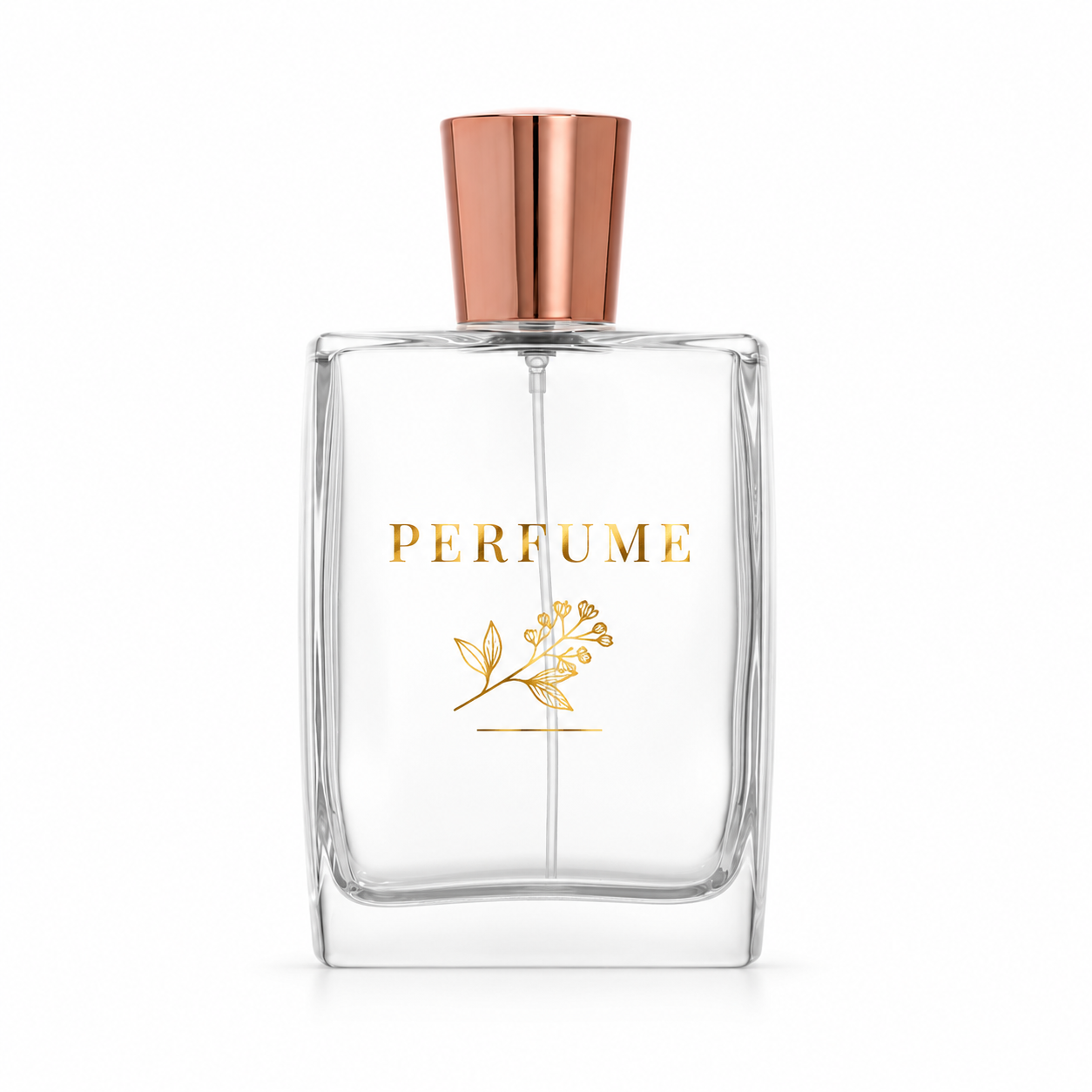
Screen printing and hot stamping create different visual effects on a perfume bottle. Screen printing applies an ink design; hot stamping transfers a foil design. For a buyer choosing between a restrained black logo and a reflective gold mark, the decision should include the bottle surface, artwork and approval requirements as well as appearance.
STDBOTTLE's printing and hot stamping start from 3,000 pieces per model, per color and per logo version. Different variants cannot be combined to meet that minimum. A new glass shape has a separate 15,000-set production minimum; adding a surface logo to an existing bottle does not require a new glass shape.
Compare the finish you want to achieve
| Question | Screen printing | Hot stamping |
|---|---|---|
| What is applied? | An ink design | A transferred foil design |
| What should the sample demonstrate? | Color, coverage, detail and placement | Foil appearance, clean transfer, detail and placement |
| What should the artwork identify? | Print colors, size, position and separate artwork versions | Foil areas, foil finish, size and position |
| What needs checking on the selected surface? | Ink compatibility and appearance after the specified process | Suitability of the surface and foil transfer on the intended area |
| What should not be assumed? | That all inks look or perform alike | That a digital gold color represents the physical foil finish |
Neither process is automatically the better option for every bottle. GPBottles' official decoration service page also distinguishes screen printing for graphics from hot stamping for metallic foil application. The actual production method and suitability should be confirmed for your selected bottle and finish.
Start with the real bottle surface
A flat front panel, a cylindrical wall and a ribbed surface present different application areas. Send the exact bottle reference rather than asking whether a logo can be printed on “a 50ml bottle.” Include the desired width, height and position of the design.
If the glass will also be sprayed or frosted, disclose that treatment before the decoration is quoted. Review the final combination, including the intended sequence of processes. Approval of a logo on clear glass does not automatically approve the same logo on a coated surface.
Ask the decorator to mark the usable area on the bottle drawing or layout. Keep text away from areas the supplier cannot reproduce reliably. Minimum line widths, spacing and registration limits should come from the supplier's review of that surface; a universal number can be misleading.
Prepare artwork that can be evaluated
Supply editable vector artwork when available, together with a dimensioned placement layout. Identify the reference for each ink or foil finish and separate different versions clearly. If you are using a raster image, ask whether its resolution is sufficient at the intended print size.
Use a physical color or finish reference when appearance is important. A screen image communicates direction but cannot establish the exact result under different lighting. For metallic foil, review the sample at several viewing angles so that the reflective effect is part of the decision.
Compare costs on the same order
Ask for decoration setup and recurring unit charges separately. Quantity, the number of artwork versions, application area and the process combination belong in the quote. Do not assume one process is always cheaper without comparing the same design and order scope.
For a combined ink-and-foil design, ask which passes and approval samples are required. A quotation for a single logo treatment should not be used as the budget for multiple decoration stages. See our cost breakdown guide for the other packaging items to include.
Approve the decorated sample, not only the layout
The layout confirms intended position and design. The physical sample shows how that design interacts with the glass, coating and light.
Record the accepted sample reference, artwork revision, color or foil reference and placement. Decoration adhesion is among STDBOTTLE's inspection areas. Agree a reproducible test for the specific coating, ink or foil, with cure time, tape or rubbing conditions and acceptance limits written down. Our checklist provides a proposed method framework; it does not claim every finish is tested to the same standard.
Our sample approval checklist helps separate appearance approval from checks that still need to be completed. Generated finish images are useful concept illustrations; use physical samples for final production decisions.
Questions buyers ask
Can a gold logo be printed rather than hot stamped?
Ask what material and process the offer uses. A gold-colored ink and a metallic foil are not interchangeable descriptions of the finished effect.
Can I decorate an existing bottle without opening a new glass mold?
Often this is a suitable route when the glass geometry stays unchanged. Decoration setup and sampling still need to be confirmed.
Printing or spray coating takes approximately 15–20 calendar days from advance payment receipt. Confirm the artwork before placing the order. Obtain a separate schedule for hot stamping or combined processes; the printing estimate is not an automatic promise for every finish.
Request an artwork review
Send your logo, bottle reference and quantity, and state whether you want ink, metallic foil or a comparison of both. Explore our custom decoration options before choosing the final sample brief.